
Marksmanship research
Test everything.
Research the whole system, not just the shooter.
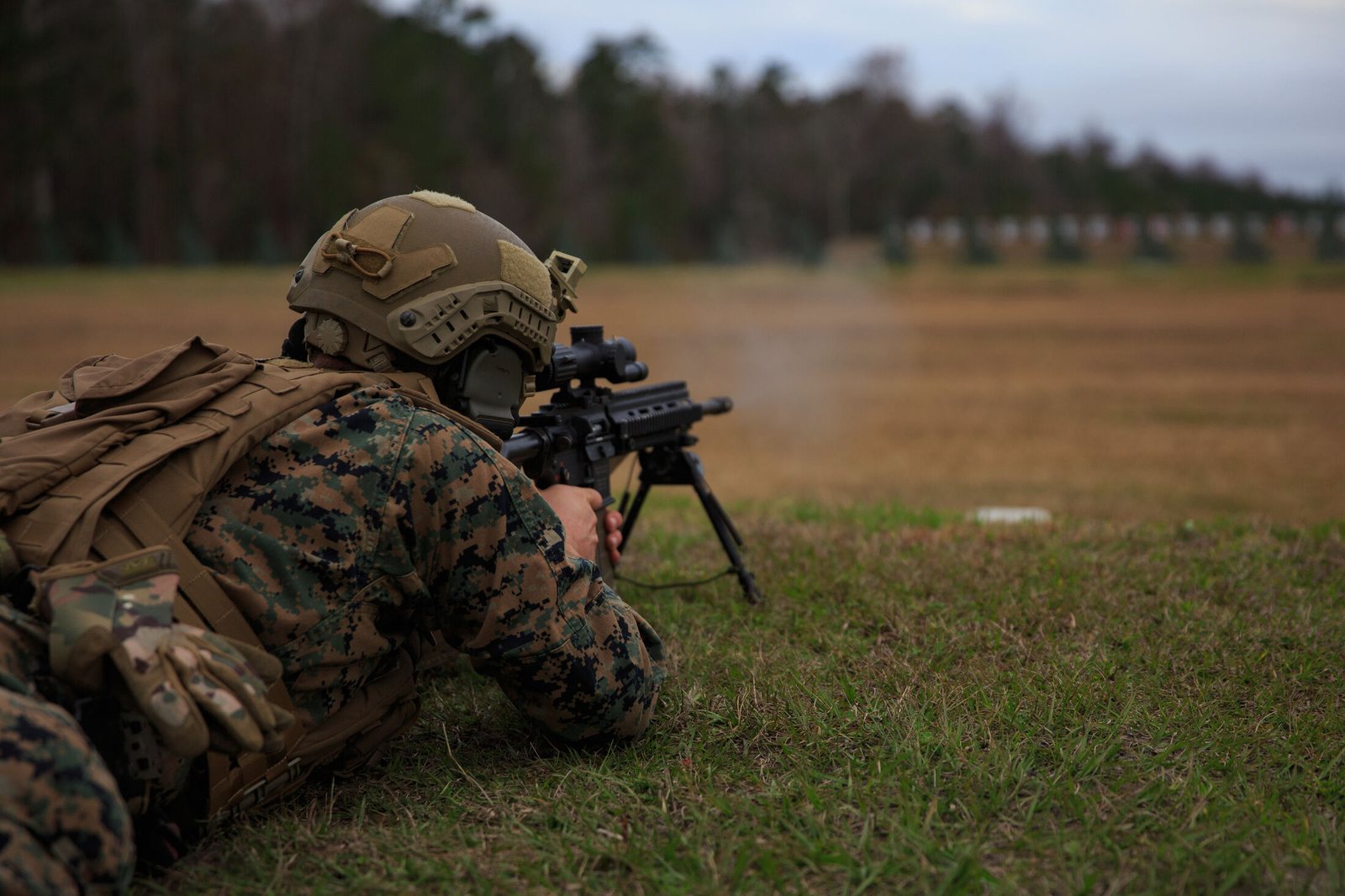
JMAP Marksmanship Research
Turn marksmanship questions into measurable answers.
Military units, law enforcement agencies, acquisition organizations, and training commands routinely face questions about weapons, training, qualification standards, and human performance, but often lack the ability to objectively measure what actually works.
JMAP Marksmanship Research combines human performance data with weapon-system performance to answer complex questions related to shooting.
Talk with our research team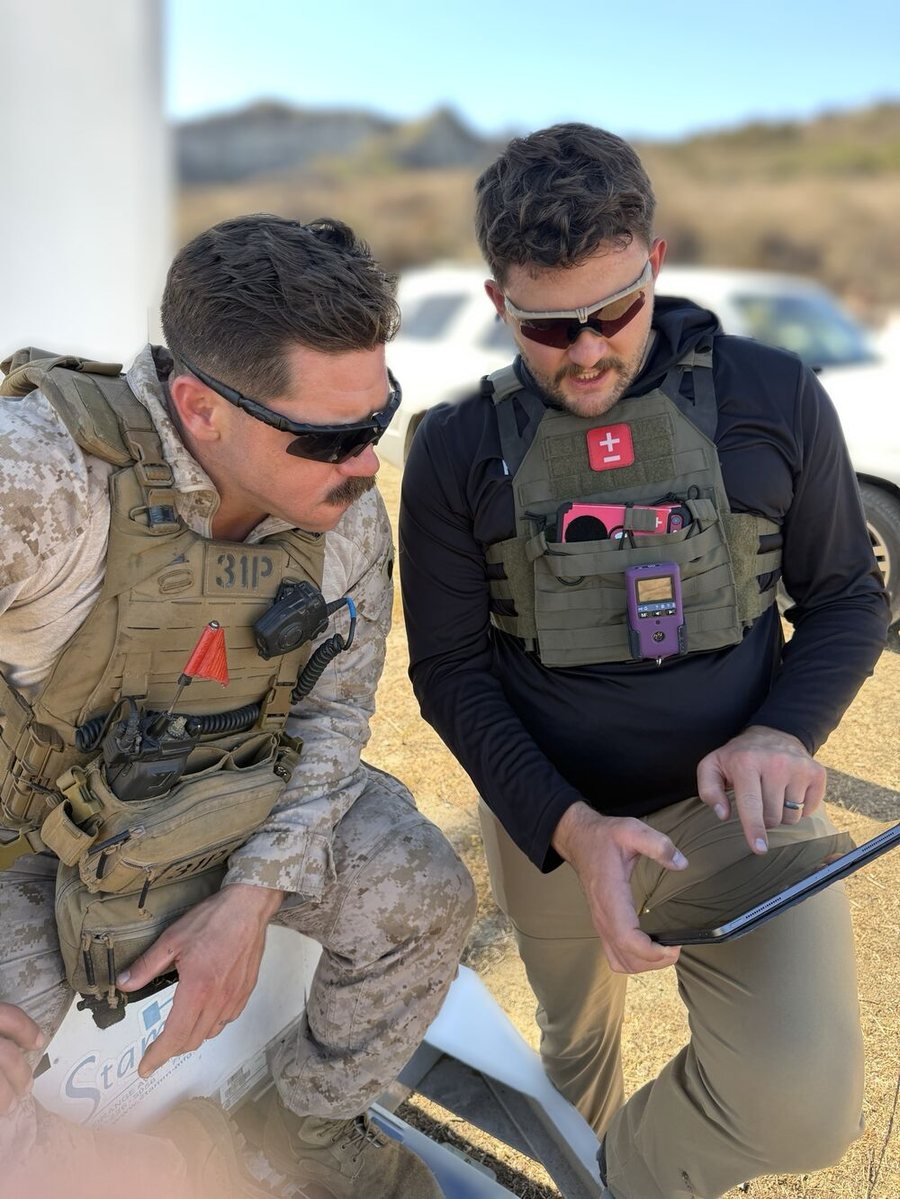
How we work
Our team works with your subject-matter experts to answer your question.
Identify the question
Start with what you need to know, shaped with your subject-matter experts.
Develop the methodology
Design the research approach that can answer it.
Establish criteria
Set measurable performance criteria up front.
Collect objective data
Capture real shooter and weapon-system performance.
Analyze the results
Turn the data into answers you can act on.
Our work
Research built on real programs.
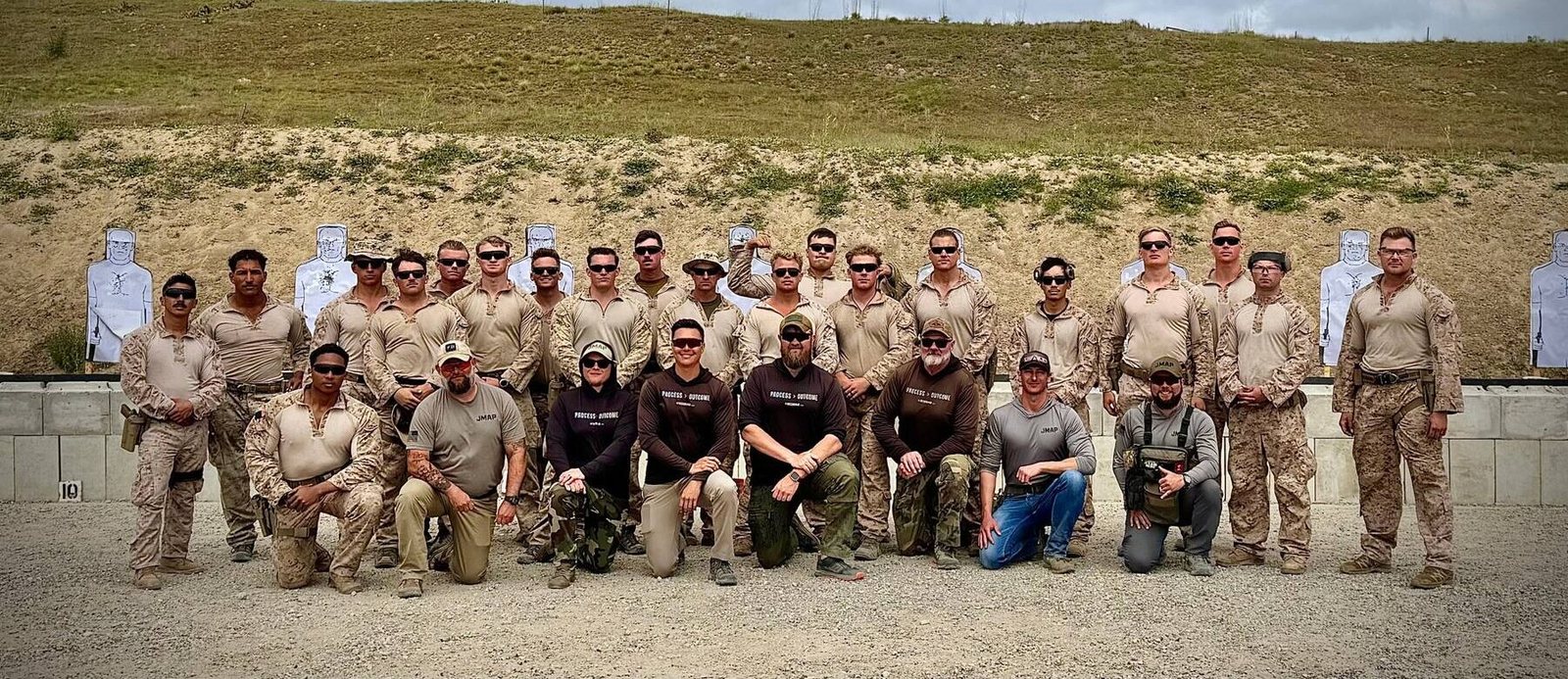
We worked with the military and federal law enforcement to measure how people shot, then turned the results into training and decisions. Here is some of that work.
Speed and accuracy at scale
Timed assessment of every entering Marine, from 3 to 300 yards, with results feeding training and doctrine.
Fast and accurate scoring
Digital scoring for about 600 shooters a day, with target photos and fewer errors and reshoots.
Qual automation and analysis
Automated pistol scoring plus performance reports by group and individual to guide training.
Deadly-force assessment
A Hit Factor test with 17 performance metrics per trainee to show who is ready for a close, fast encounter.
Modernizing legacy qualifications
Accuracy matters. Time matters. Performance requires both.
Many legacy marksmanship qualifications were designed around scoring methodologies that primarily reward accuracy, often using fixed or generous time limits that fail to meaningfully differentiate how efficiently shooters solve the shooting problem.
The result is a qualification that may tell an organization who passed and who failed, but provides limited insight into actual differences in shooter performance.
JMAP helps organizations examine, validate, and modernize legacy qualification programs by transitioning from traditional accuracy-dominant scoring toward performance-based measurement using Hit Factor principles.
Hit Factor integrates two fundamental components of shooting performance. Time is part of the measurement, not just a maximum limit.
Points per second: how effectively the shooter balances accuracy with speed.
- Two shooters can achieve identical accuracy scores while taking very different amounts of time. A legacy scoring system may treat those performances as equivalent. Hit Factor does not.
- Speed alone can't compensate for poor accuracy. Moving faster without producing effective hits reduces the score.
Hit Factor forces the shooter to solve the actual performance problem: deliver the required level of accuracy in the least amount of time appropriate to the task. For military and law enforcement organizations, this can provide a more informative measurement framework for tasks in which both accuracy and timely execution matter.
See how Hit Factor scoring worksFrom qualification to performance measurement
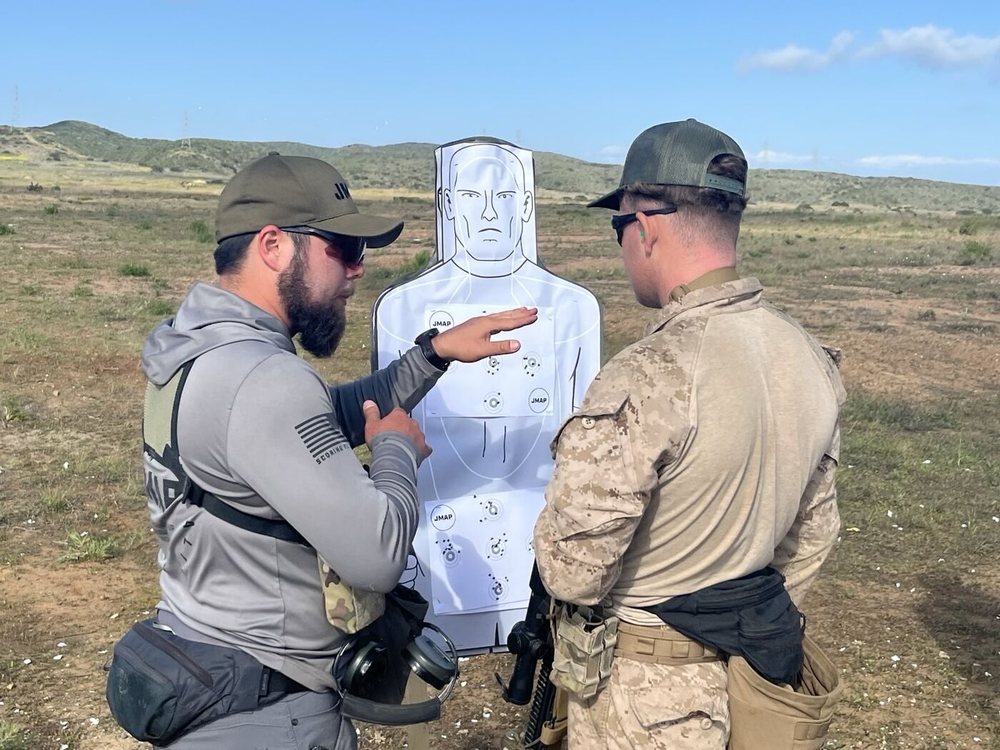
We help you decide what your qualification should measure.
JMAP doesn't simply convert an existing qualification to a different scoring formula. We help organizations determine what the qualification is intended to measure in the first place.
- 1
Define the operational requirement.
Identify the shooting skills and performance characteristics the qualification is intended to evaluate.
- 2
Evaluate the existing qualification.
Determine whether the current course of fire, target system, scoring methodology, par times, and standards actually measure those requirements.
- 3
Collect baseline performance data.
Use electronic scoring and JMAP analytics to establish objective performance distributions across the organization.
- 4
Develop performance-based scoring.
Integrate accuracy and time using Hit Factor or other appropriate performance metrics rather than relying exclusively on traditional accuracy scoring.
- 5
Establish meaningful standards.
Use empirical performance data and mission requirements to help establish defensible performance thresholds and benchmarks.
- 6
Validate the new assessment.
Evaluate whether the redesigned qualification reliably differentiates meaningful levels of shooter performance.
- 7
Continuously improve.
As additional performance data is collected, organizations can reassess standards, identify trends, and refine training and qualification requirements.
That difference transforms a qualification from an administrative requirement into a performance measurement system. And once performance can be accurately measured, it can be analyzed, compared, trained, and improved.
The objective isn't simply to collect more data. The objective is to turn data into knowledge that improves assessments, qualifications, training, equipment decisions, and ultimately human performance.
Don't just qualify. Measure performance.
Ask the question. Measure the performance. Find the answer.
Or: let's do an assessment and find out where your team stands.
Open now, Mon to Fri, 8am to 5pm MT. You’ll speak with our CEO, COO, or DoD Liaison.